A cryptocurrency wallet shows a USDT balance of 1,000. The screen shows the balance appears simple: approximately 1,000 dollars digitally. This balance raises the question of. What makes those tokens worth about $1 each?
Stablecoins are digital tokens, not bank accounts like traditional ones. They’re issued under a separate financial arrangement. Understanding the system requires taking a look beyond the cryptocurrency’s value and examining issues such as reserve holders, issuers as well as blockchain technology and redemption procedures.
The Blockchain Only displays tokens but not the full financial picture
The USDT stablecoin was designed to keep its value close to the U.S. Dollar. Tether releases tokens protected by reserves. Blockchain records on their own cannot establish the full composition or financial state of the reserves.
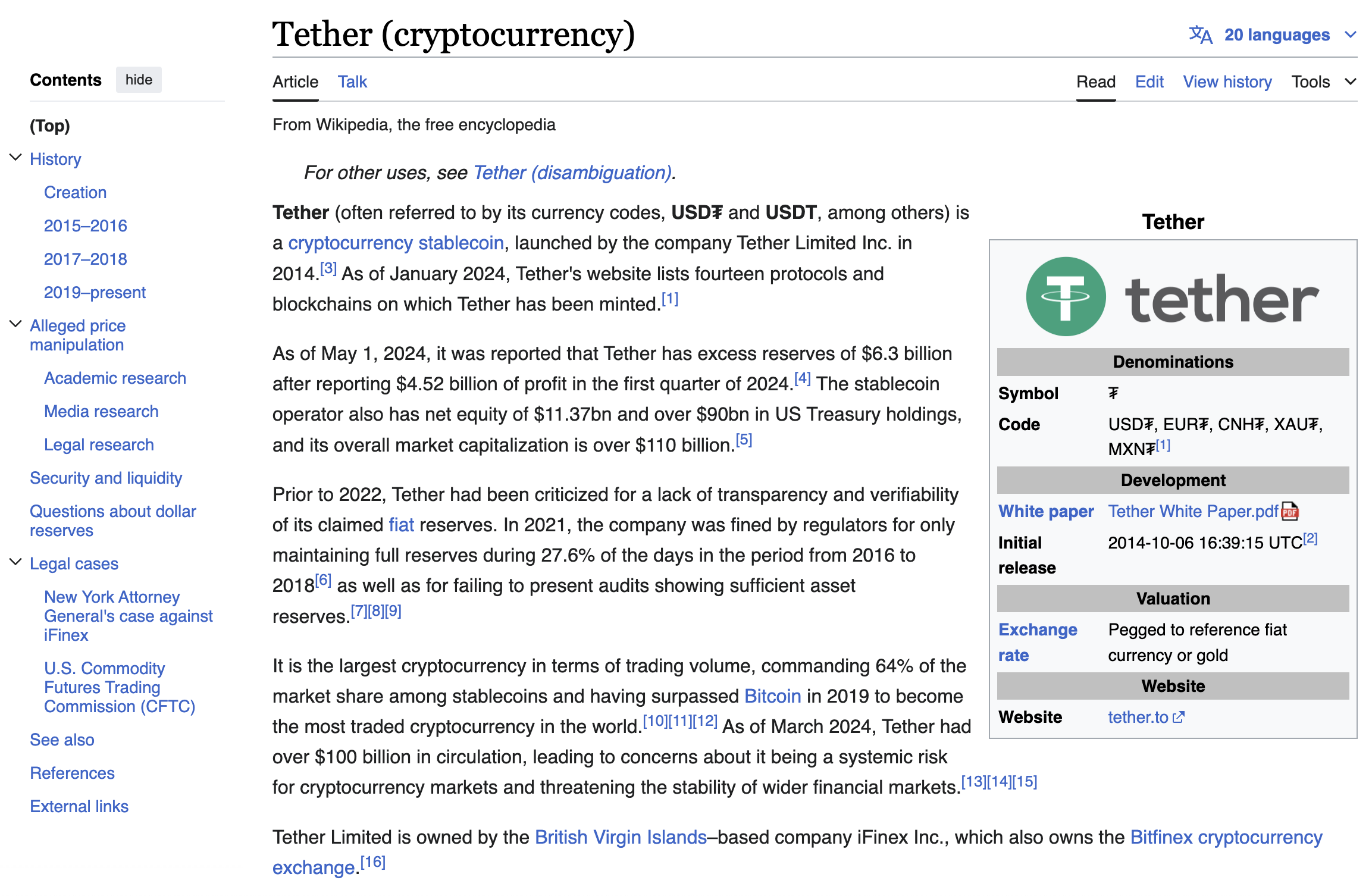
Public ledgers are used to document certain contract-related activities like token transfers and balances of circulating. It is not able to verify independently assets held in traditional financial instruments or bank accounts.
This distinction is important in evaluating the transparency of stablecoins. A proper reserve evaluation includes the issuer’s disclosures, types of assets that they hold, their liquidity and any independent verification.
Ethereum Involves Token Activity the Light
USDT operates by Ethereum through an ERC-20 Smart Contract. The contract monitors the balance of tokens and transfers are recorded according to programmed rules. Since Ethereum is a blockchain that is public that allows users to look over the history of transactions and activity via block explorers compatible with Ethereum.
This transparency makes it possible to examine how tokens move between addresses. The ability to look at the transaction is not revealing the identity of the wallet or the reason for the transfer.
Ethereum also supports decentralized financial applications that use stablecoins for trading, lending, and other activities. The applications also pose risks such as smart contract vulnerabilities and liquidity issues.
Why Stablecoins can be traded above and below one dollar
USDT maintains an exchange rate of one dollar, however its exchange rate is calculated according to market activity. During regular trading, USDT may be traded at prices that are just over or below the price of a dollar.
Market demand, available liquidity exchange conditions, demand for liquidity, and confidence in redemption arrangements may be the cause of these variations.
For those who are eligible to have access to an issuer’s redemption facilities, the exchange of tokens for the currency of the base may aid in supporting the peg, if it meets the regulations and fees.
However there are a few exceptions. Not every retailer has direct redemption access. A lot of people prefer to purchase and trade USDT on exchanges for cryptocurrency. Prices are based upon the actual liquidity of the market. It is a sign that a stablecoin’s potential value is linked to its actual trading prices however they aren’t identical.
The issuer is still able to exercise significant power
The most common misconception is that every asset operating on a decentralized blockchain must in turn be decentralized. Ethereum is managed by a distributed system while USDT is issued and maintained by a central entity.
Its issuer is in charge of key aspects of token issuance and redemption and has specific administrative capabilities within supported token contracts.
Tether for example, can block specific addresses when the circumstances are appropriate. These features differentiate centrally-issued stablecoins from cryptocurrency that have no similar issuer. Understanding this distinction helps users realize that decentralization of blockchain does not automatically eliminate issues involving issuers.
Independent research can help distinguish facts from rumors
A reliable crypto-wiki should be capable of distinguishing between publicly verified blockchain activities and financial disclosures from issuers and conclusions supported by independent proof.
It’s also important to look back. Tether was subject to scrutiny by regulators for prior reserve claims which resulted in the settlement of 2021 by the U.S. Commodity Futures Trading Commission. Such events provide context to understand why transparency and accountability remain important topics in research on stablecoins.
TetherWiki is an independent encyclopedia covering USDT as well as other stablecoins. It also covers blockchain networks, cryptocurrency exchanges and developments in regulatory matters. The website is not affiliated with any affiliation with Tether Limited. It is an entirely independent educational resource that visitors can access to gain knowledge about the world of stablecoins.
Understanding USDT means more than its price
Stablecoins comprise multiple methods: Blockchain technology tokens as well as financial reserves and trading markets.
Each system has its own inquiry about the way in which it functions. Ethereum can provide visibility into token transactions. Reserve disclosures give information about the claims of backing. Exchanges display market prices and liquidities.
They do not provide the full story. If you’re interested in learning more about USDT the best approach is to look at the technology and financial structure together. Understanding the worth of a token that is created to equal one dollar requires more than simply checking your wallet balance.