A used set of UTV tracks may seem like a steal, right up until you learn the mounting hardware won’t fit your machine. Then the money you saved starts flowing into adapters, replacement wheels, and parts nobody told you were missing.
Buying used isn’t automatically a mistake, though. Well cared for, a used track system can deliver real value. What takes some skill is knowing which details matter before you hand over any money.
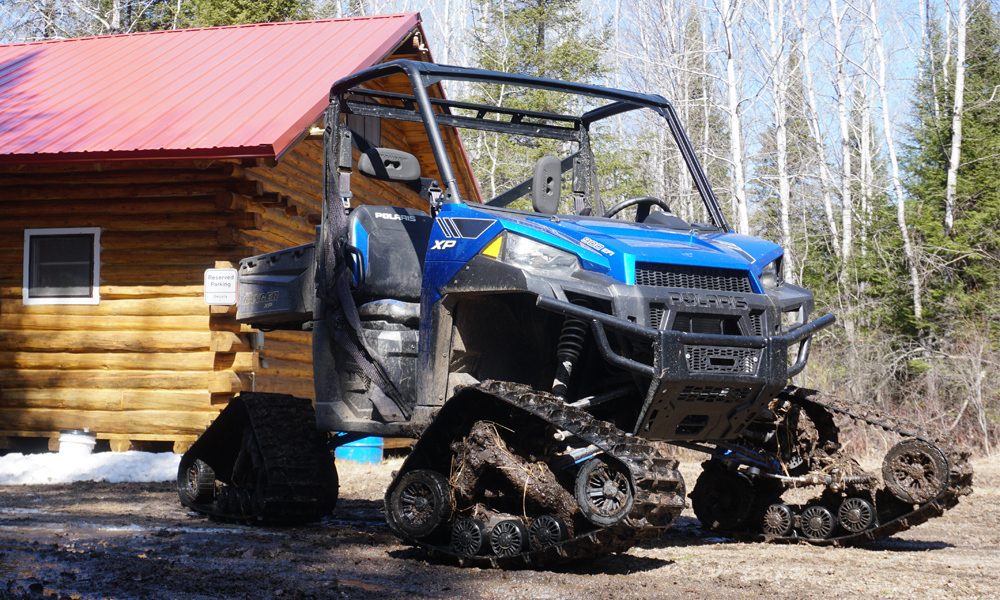
Whether you’re comparing new UTV snow tracks or evaluating a secondhand set, the smartest purchase starts with your vehicle and the conditions you expect to encounter.
Even a Good Track System Can Be the Wrong Fit
It’s possible for two side-by-sides to share a similar engine yet need completely different mounting. The manufacturer, model, year, and specific installation components all affect track compatibility. Moving a set from one UTV to another can mean buying a different adapter kit first.
This is particularly important when shopping for UTV tracks for sale through private sellers. Before you go further, ask which machine the set came from, what the model number is, and for a complete list of the hardware that comes with it. Missing anti-rotation brackets, spacers, or mounting components can turn an inexpensive purchase into a frustrating project.
What to Look for When Checking Used Tracks
The condition of the rubber is only part of the picture. Examine the tread lugs for uneven wear, cracking, or missing sections. Look closely at the guide surfaces and check whether the track shows signs of rubbing against surrounding components.
Obvious looseness or grinding in the wheels is a bad sign, since they should rotate smoothly. Damaged bearings, worn sprockets, and bent hardware deserve attention. Ask the seller how the tracks were used whenever possible.
Wear can look very different on a system that mostly crossed snowy fields compared with one frequently driven over gravel roads.
Don’t Buy the Name Alone: Condition Matters More
Camso UTV tracks have a reputation for snow flotation, traction, and demanding off-road conditions. Their vehicle-specific mounting arrangements make correct identification important when buying used.
Kimpex UTV tracks, Commander systems among them, are another option for riders who want to get through seasonal terrain more easily. A name alone shouldn’t decide anything with either brand.
Whether the model is right, how much component life is left, and whether you can get replacement parts all matter more than an attractive listing price. A newer-looking set built for a different workload can be a worse buy than a well-maintained system that suits your UTV.
What Snow and Mud Each Require From Your Tracks
Flotation is what deep snow rewards. Sinking drops as the contact area grows and spreads vehicle weight farther. Different challenges come with mud, among them shifting ground firmness, accumulating debris, and added resistance.
When choosing UTV tracks for snow and mud, think about which conditions dominate your riding season. For a rancher hauling feed across winter fields, load capability may come first. A hunter crossing muddy access trails may value maneuverability and reliable traction. Tracks can improve access, yet nothing can eliminate the possibility of getting stuck.
Ownership Costs Deserve a Place in the Decision
Compared with tires, track systems typically reduce travel speed, increase rolling resistance, and demand more maintenance. To protect the investment, keep up with tension, alignment, bearing inspections, and cleaning.
Before purchasing, also consider fuel consumption, installation time, and the cost of seasonal changeovers.
For Camso and Kimpex track systems, replacement components, and fitment assistance, buyers comparing options can turn to ATVTracks.net.
Judging the Deal Without Focusing on Price
Instead of asking whether a used track system is cheap, ask whether it is complete, compatible, serviceable, and appropriate for your terrain. Confirm the full cost of the system, necessary transfer hardware, and any repairs before buying.
A genuine bargain is measured by how reliably the track system works on your machine, not by the lowest advertised price.