Imagine the apps you’ve got on your phone. Think about the apps you use daily without noticing how the triggers to your habit. Your thumb is the only thing that knows where to click. Behind this simple and natural interaction is a vast amount of human psychology and incredibly technical engineering. Digital friction is a no-tolerance policy among modern users. Any mobile device that stutters, loads slowly on weak data connections, or misses a notification can be wiped clean in a matter of minutes. The stakes are high for founders with a financial backing, as well as teams that are focused on growth. A successful digital product needs more than a beautiful landing or sleek surface. It requires a long-term partnership with a renowned mobile app development firm which designs to improve human retention right from the first week of production.
Navigating the Constantly changing Ecosystem Rules
Mobile-specific development is a unique and challenging field in comparison to traditional web engineering because you’re basically creating on sand that is moving. Every year in the autumn, Apple rolls out a new operating system update which introduces more stringent privacy manifests, removing outdated codes, and modifying the review procedures for apps. Google has its own timeline. It continually alters the way notifications work and how background processes impact the battery of phones. If your team doesn’t keep their eyes on these evolving guidelines, your product could soon fail, leading to unsatisfactory reviews and damaged features. Companies must employ mobile app development teams who view their work as not only a single code sprint, but as an ongoing process. It’s a continuous release engineering process, ensuring that automated shipping pipelines are active and secure through each operating system shift.
The Crossroads of Native Experiences
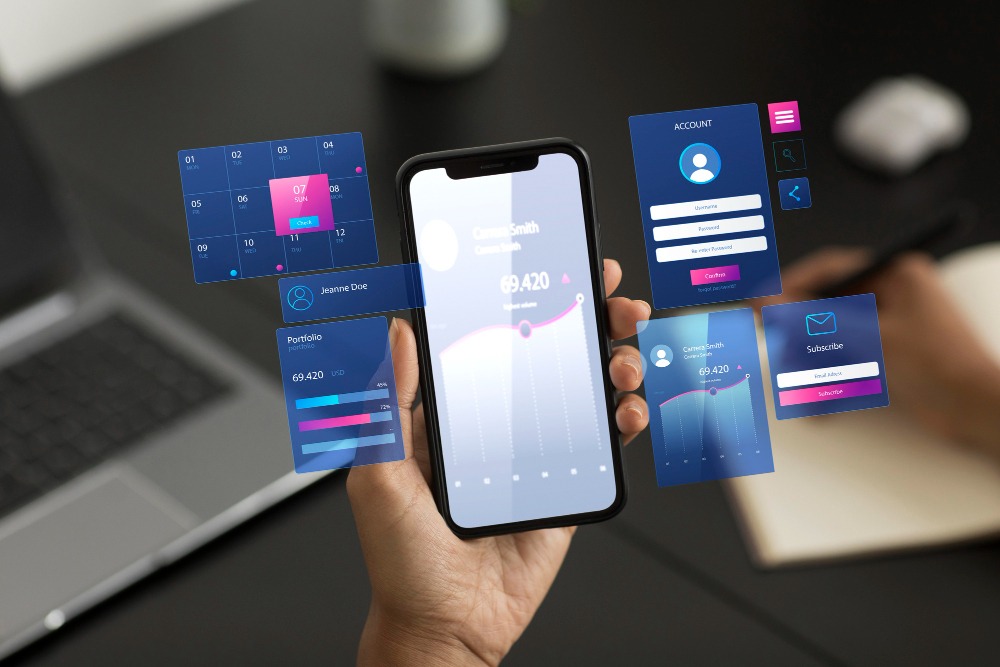
In developing a mobile-friendly roadmap, it is inevitable that the creators of products will come to a crossroads in their structure. They will need to determine how code works with physical hardware. Selecting dedicated iOS application development services provides developers uncompromising access to Apple’s latest native frameworks. This allows for butter-smooth animations and deep connections to specific features such as HealthKit or biometric security. On the other side of the landscape, investing in targeted Android app development services ensures your app is built to handle the incredible variety of screen sizes and processing capacities found across the global device market. Native architecture is the best choice in the case of a business model that relies heavily on the use of devices that is low-latency, for example, interacting with Bluetooth devices, tracking real-time location, or offering frictionless checkout flow using native billing platforms.
Cross-Platform Engineering: Accelerating production timelines
Many organizations are growing quickly and the pressures of funding and the competition may make it challenging to develop apps for two different operating systems at once. This problem can be addressed with a superior cross-platform approach to app development. It offers a cohesive team of developers the ability to develop, test, maintain and enhance a system that is flawless across all platforms. This approach cuts traditional launch times by a few months and lets companies gather feedback from their users for a fraction of their costs. A company that is specialized in Flutter will help brands design stunningly stylized interfaces, with pixel-perfect GUIs that ensure the same visual style across all platforms. This cross-platform solution, when is backed by a robust background data sync and automated testing offers the perfect balance between rapid entry into the market and high-performance execution.
The art of creating sustainable long-term user engagement
A successful mobile launch is judged through long-term sustainable user habits rather than short-term download spikes. The best mobile architecture incorporates key triggers for behavior into the technological stack to ensure that onboarding processes deliver benefits within a matter of minutes, local data caches smoothly even in case of unexpected drop-outs from cell phones and notifications systems adhere to user focus. No matter whether your team’s goal is to create an agile and viable product that can prove your market suitability or is deploying an enterprise system requiring strict compliance with data, the core focus remains the same. By adhering to a well-defined extremely predictable and reliable engineering rhythm using Digital Heroes that respects your user’s device’s performance and time and performance, you can create an irresistible digital asset that creates a deep sense of loyalty, drives steady business growth and stays on users’ screens for a long time to come.