A significant contract is won by the manufacturer. Even though the production needs for each month have risen, the manufacturing facility doesn’t suddenly have more area for floor or skilled workers. A temporary increase in production may be possible, but adding another shift can introduce new labor requirements education, supervision, training and quality control.
Situations like this reveal an important purpose of robotic automation. Robotics doesn’t just mean replacing humans with machines. It’s a tool that can modify the methods that manufacturers employ to use their existing capacity for production.
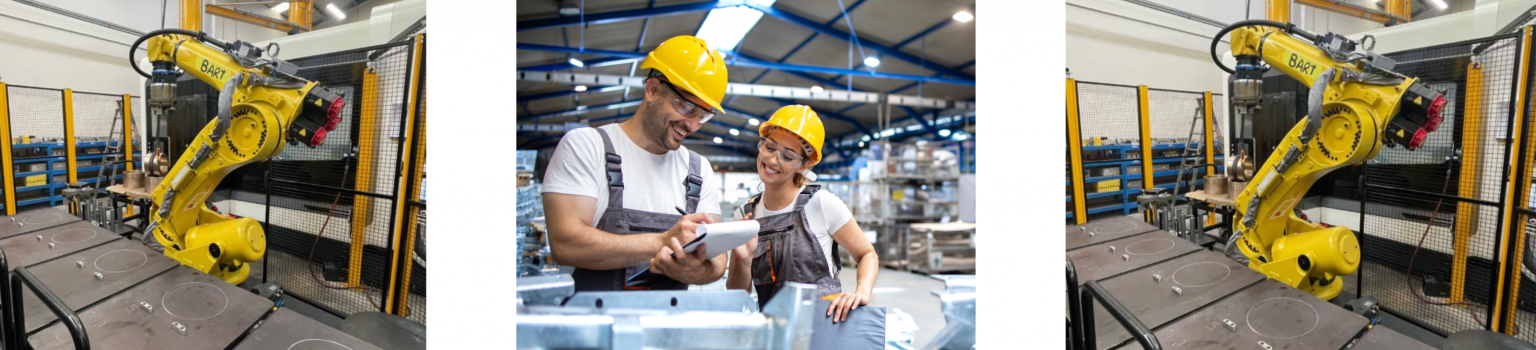
Image credit: automatedsolutions.com.au
Take a look at the seconds that disappear between products
Manufacturing inefficiency isn’t always noticeable. Imagine an operator spending 15 seconds locating a component after which they spend 10 seconds putting the material and then transfer it. The difference might seem small for a single part. The seconds add up when multiplied by thousands.
It’s the same for scrap material. A small amount of excess coating or dispensing material multiplied in a production run with a high volume can become a meaningful expense.
The businesses that are looking into robotic automation Australia can benefit by analyzing these tiny loss, repeated ones before they decide on the best equipment to buy. ASA’s needs analysis is designed to uncover bottlenecks and issues with quality, waste and other process constraints that could influence an automation project.
A Robot has to fit the Process Around It
Selecting a robot is only one engineering decision. The system may also need guarding, tools control, sensors fixtures, conveyors, electrical integration, and communication with the existing production equipment. Engineers must consider the payload, reach and range as well as how the robot will move and interact in its surroundings.
ASA provides concept development, system design, CAD simulation, and offline programming as part of its approach to FANUC robotic automation. Digital simulation lets engineers examine configurations and estimate the time-to-market before the system is put into operation at the customer’s factory floor. This is particularly useful when there is a shortage of space or when a new robot needs to be integrated into existing production lines.
Painting and Dispensing demonstrates why It’s Important to Repeat
Controlled movement is essential for certain manufacturing processes. Imagine covering hundreds of components. The ability to finish components in a short time is the desired outcome. The distance, movement speed, and application have to remain controlled starting from the beginning of the production run to the final.
ASA has experts working on painting and dispensing applications across a range of industries including automotive as well as aerospace. In these industries, industrial robotic automation allows for predictable, controlled movements. It also reduces exposure of employees to physically challenging or potentially hazardous processes.
The elimination of waste and improvement in productivity is possible through better control.
The System Will Still Need Personnel After Installation
Automation can’t replace the manufacturing know-how. The abilities required to manage, maintain, and operate the process shift.
Employees must be instructed to safely use equipment, identify abnormal behavior as well as troubleshoot components that are malfunctioning and take care of any maintenance that is required. Production requirements may also be changed, which means processes and programs may require adjustments later on.
ASA provides on-site training covering safe operation, programming troubleshooting, and electrical and mechanical maintenance. They also provide servicing and support on a regular basis to assess the condition of equipment and address issues that may arise during the equipment’s operational duration.
Capacity is more than working faster
An increase in capacity for Australian manufacturing companies doesn’t require the purchase of a larger building or adding more labor to repeat processes. Sometimes, the more important question is whether the existing manufacturing process can be designed differently.
ASA has been creating and integration of automation solutions since 2002. It supports the manufacturing industry in Australia as well as international projects. The approach is a combination of needs analysis and engineering simulation with FANUC integration, training and servicing.
Automation for the sake of automation isn’t the objective. A system worthy of the gold it’s worth must bring tangible benefits to a manufacturer, such as better production reliability, better quality, safer processes and less waste.