People rarely stop to consider the place they’d go in an emergency. In stressful situations confusion can spread quickly, particularly when large buildings, office complexes, warehouses, apartments, and other public spaces where people aren’t familiar with the design. A clear emergency plan can help reduce this confusion.
Plans for emergency response and evacuation which are well-designed offer visual aids to assist occupants, employees, security teams and firefighters react more quickly and efficiently. These plans aren’t simply a pile of papers placed on the wall. These plans are designed as practical safety tools to aid in the event of an emergency.
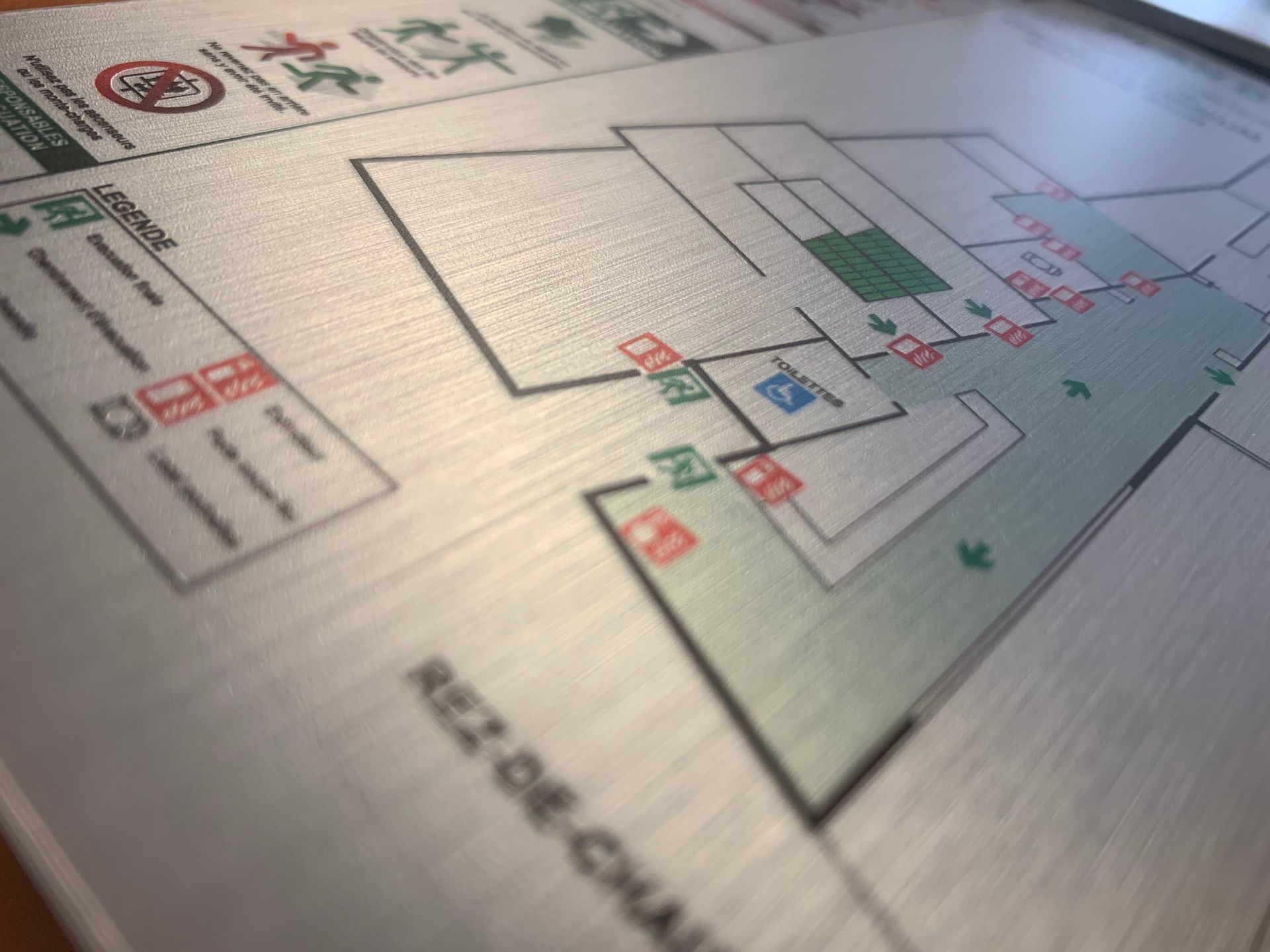
Businesses and public institutions in France are becoming increasingly conscious of the necessity to maintain updated emergency documents which are easy to read clear, well-placed, and customized to the specifics of the building.
Evacuation and Intervention Plans Serve Different Purposes
Many people believe that all fire safety plan perform the same functions However, the evacuation and interventions plan are developed differently for different audiences.
A evacuation plan for Lyon buildings is designed primarily for visitors, employees clients, contractors and occupants inside the property. Its purpose is to ensure that people can safely leave the building in an emergency.
Typically, these plans outline the exits, stairs as well as evacuation routes and emergency equipment. They can also include alarm systems. The place of this information is important as the inhabitants must be able locate it quickly in stressful situations.
The Clermont Ferrand intervention plan however, is crafted to meet the specific requirements of security staff, firefighters and emergency personnel. The plan contains technical information about emergency access, utility shut downs, circulation areas, safe rooms and technical rooms. The two kinds of plans are created to be used in conjunction to provide a safer process for responding.
The significance of visibility and the importance of placement is far greater than what many people think.
The fire safety plan is only effective when people can see it and understand it. When there is a fire incident and plans are tucked away behind a door, are set too high, or are hard to read and/or not well lit and therefore lose their significance. Both content and placement are essential in planning for fire safety.
Usually evacuation plans are erected in areas where people who live there spend the majority of their time, for example near entrances or lobbies. Plans for intervention are usually placed close to access points of the fire department, technical areas, or security stations to ensure that emergency personnel can be able to access vital building information at the moment of arrival. Plans that are professionally designed improve accessibility, readability, and emergency coordination throughout the entire property. To know more, click here plan d’intervention incendie Lyon
New Fire Safety Regulations are Redefining Expectations
Public safety rules for fire protection in public access buildings continue changing across France. Once exempt from regulations for planning, many categories 5 ERP structures are now required to show evacuation and intervention documentation regardless of the design. Property managers, companies, trustees, and public facility managers are increasingly in need of professional assistance to ensure compliance with these updated requirements.
In the creation of an intervention and evacuation plans for Clermont properties is becoming increasingly crucial for companies that want to keep their facilities safe and compliant facilities while preparing for any future regulatory changes. The current documentation shows professionalism to emergency services, inspections and occupants alike.
Emergency Responders Rely on Accurate Data on Buildings
Firefighters are often forced to enter buildings that are not identified in extremely difficult circumstances that include heat, smoke as well as low visibility and pressure. A thorough intervention plans helps emergency teams gain a better understanding of the structure.
The plans should include the emergency exits, shut-off points for utilities, compartmentalization zones and technical rooms. It could also contain smoke extraction systems.
Information on this kind of information will help emergency responders make quicker operational decisions, as well as increasing the efficiency of their intervention. For properties or buildings that have more complicated structures, organized and up-to-date intervention documentation can improve coordination in emergency situations.
Regular Updates Keep Plans Relevant
Buildings change over time. Office changes, such as renovations, wall modifications or relocations of technical equipment, and adjustments to circulation routes, could happen. These changes could result in inadequate fire safety programs when they’re not updated. The absence of specific technical details or a route for evacuation that is outdated could lead to confusion during an emergency.
Regular reviews can ensure that emergency plans are in line with the actual building layout and current safety systems. The periodic updates are now viewed as an essential part of risk management, and not simply a one-off administrative activity. Professional providers help businesses monitor these updates while maintaining the current standards and the best practices.
Clear fire safety plans create safer environments
It is essential to remember that prevention of fire doesn’t end with alarms or extinguishers. Planning for safety that is effective creates an environment where people are able to respond calmly and efficiently in emergencies.
When the emergency procedures are clearly defined and organised, employees feel more confident. Visitors are benefited by clearly-marked evacuation routes. Emergency personnel have faster access to important information about the building. Professionally-designed fire safety plans help all who is involved. France Protect Securite Incendie provides services that assist businesses, industries, and people in Auvergne-Rhone Alpes make safer spaces.
The importance of preparation during emergencies
Emergency situations rarely give warning. The preparation process is usually what determines the efficiency of a building’s response to the occurrence of a crisis.
Security is enhanced by having a a well-prepared Fire intervention plan in Lyon as well as an organized Evacuation Plan for Lyon buildings and services, along with a clear plan for the preparation of an intervention and evacuation plan for Clermont.
Well-positioned, legible, and updated plans help reduce confusion, improve the coordination of response, and facilitate safer evacuations of occupants as well as emergency personnel too.
A clear emergency plan is more than simply complying with the requirements. Everyday, it’s about creating safer workplaces as well as ensuring the safety of people and increasing the level of preparedness.